

1. Introduction
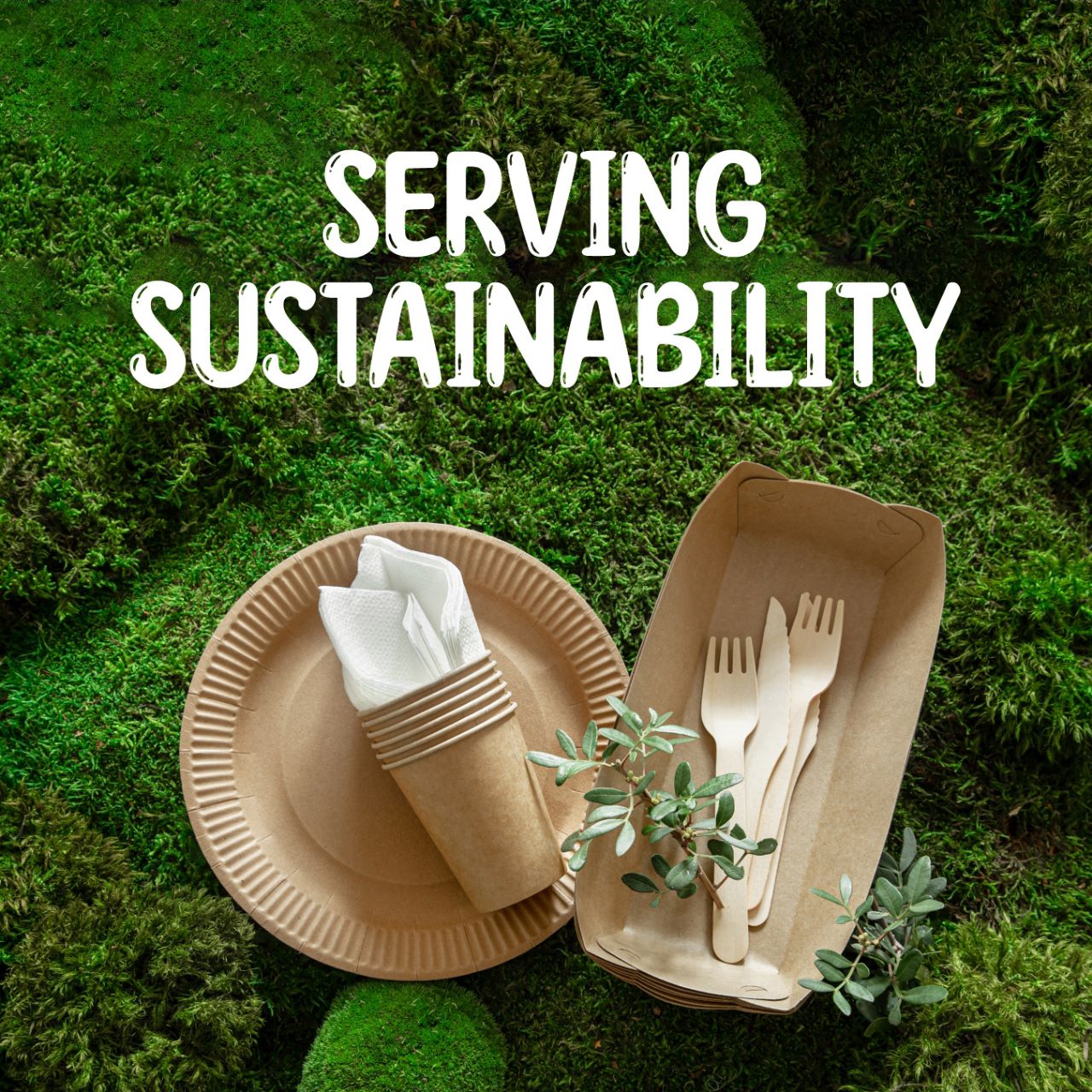
The term ‘Food Serving Utensils’ refers to a collection of containers and tools used for serving cooked food to others. These utensils include containers for holding the cooked food, hand tools for handling and distributing food, and other accessories for consumers to handle and consume food. Single-use plastic cutlery is widely used as disposable utensils, leading to plastic pollution and environmental degradation. Therefore, there is a growing importance placed on using biodegradable materials in the manufacturing of such disposable utensils. Many agricultural by-products, such as leaves and sheaths, are preferred for making utensils like plates, cups, bowls, etc, based on specific requirements. These materials are usually waste or by-products of cultivation practices and are available at little to no cost.
2. Origin of this Standard
A proposal for developing this standard was received from the Aseem Foundation, Pune, in collaboration with the Indian Army’s efforts in the Udalguri District through the Guwahati Branch Office of BIS. The Agriculture and Food Processing Equipment Sectional Committee, FAD 20 took up the subject for standardization and constituted an expert panel including the concerned stakeholders. The panel took into consideration, a Research Project on ‘Evaluation of agro-based disposable utensils for defining their standard and test methods’, carried out under ICAR-Central Institute of Post-Harvest Engineering and Technology, Ludhiana, while formulating the standard. After a number of consultations with stakeholders, the Indian Standard, IS 18267 : 2023 ‘Food Serving Utensils Made from Agri By-Products – Specification’ has been published in May 2023.
3. What it Covers
IS 18267 : 2023 aims to provide guidance to manufacturers and consumers regarding quality requirements and ensure uniformity across the country.
The standard specifies terminologies relating to the raw materials and the performance of the final product. Use of various types of plants and trees, such as taub, areca, teak, almond, jack, taro, sal, wheat straw, bagasse, green and dry banana, etc., are included as raw materials for food serving utensils production in the standard. The standard recommends which parts of the tree or plant should be used and also provides the manufacturing techniques based on current practices, such as hot pressing, cold pressing, moulding, and stitching, for different plants and trees for guidance. The standard also gives guidance on the types of utensils that can be manufactured based on their shape, such as rectangular, square and round-shaped utensils, with specific holding capacities determined by their dimensions.
IS 18267 provides the generic requirements that should be followed in the production and handling of agricultural by-product-based utensils. These requirements include the prohibition of chemicals, synthetic or natural colours, resins, adhesives, etc in the manufacturing of these utensils. The standard also mandates that the surface of the utensils should be smooth and free from any dents or damage, and the edges should not be sharp. Furthermore, it establishes performance requirements to evaluate the performance of the product by prescribed test procedures. Important requirements include specifying tolerance limits in utensil dimensions, moisture content of the raw material, load-bearing capacity and limits for microorganisms on the surface of utensils. The standard also includes a hot water testing requirement to assess the performance of utensils designed for handling hot food. The standard also outlines the hygiene requirements that should be adhered to during the handling of raw materials and the manufacturing process to ensure the safety and quality of the final product.
4. Impact on the Quality Culture
The rising use of disposable tableware worldwide is driving the global market for disposable tableware. Disposable plate’s market size was valued at USD 4.26 Billion in 2020 and is projected to reach USD 6.73 Billion by 2028, growing at a CAGR of 5.94% from 2021 to 2028.
In India, numerous large-scale and MSME-level manufacturers are actively contributing to the production of biodegradable cutlery. The demand for these products is consistently rising, leading to a steady growth in the number of manufacturers involved in their production.
As the demand of the agro-based crockery is increasing, the production is also increasing, therefore the methods of producing such items need to be standardized. It will guide the manufacturer in selecting the correct and appropriate raw material for the production and may be used as a reference document in the design and manufacturing of the product. The end user can also check that whether the product is of proper quality or not by comparing it with standard and in that way the quality consciousness can be established among the consumer for selecting a right product.
5. Long term impact
Using good quality agri by-product made utensils has significant long-term impacts. First, it ensures environmental safety by reducing dependence on non-biodegradable materials, contributing to the preservation of ecosystems and minimizing pollution. Secondly, it promotes sustainability by utilizing agri by-products and conserving natural resources like water and energy. This supports a circular economy and more efficient production cycles. Thirdly, agri by-product utensils are free from harmful additives, ensuring the well-being of individuals. Fourthly, it creates economic opportunities for farmers and supports the agricultural sector by utilizing agri by-products, encouraging sustainable agricultural practices and contributing to rural development. Lastly, it raises consumer awareness about the environmental impact of their choices, encouraging a shift towards eco-friendly alternatives and fostering a culture of sustainability. Overall, using good quality agri by-product made utensils leads to environmental preservation, sustainability, reduced health hazards, support for the agricultural sector, and promotes conscious consumer behaviour.
Go Back