

Technical Textiles can be defined as textile materials and products manufactured primarily for their technical performance and functional properties rather than for aesthetics or decorative characteristics. Technical textiles can also be referred to as Industrial textiles, Functional textiles, Performance textiles, High tech textiles, etc. Some of the major reasons for the recent demand for technical textiles pertain to their cost effectiveness, durability, high strength, versatility, user friendliness, eco friendliness, logistic convenience, etc. Technical textiles consist of woven, knitted and non-woven fabrics made from natural fibres (cotton and wool), synthetic fibres (polyester, polyamide, polypropylene, polyethylene, acrylic, elastomeric, p-ararnid, m-aramid and other high-performance synthetics, regenerated fibres (viscose rayon, acetate rayon) and inorganic fibres such as carbon, glass, ceramics and steel fibres. Based on the end-use applications, the technical textiles have been broadly classified into 12 categories, namely: Agrotech, Buildtech, Clothtech, Geotech, Hometech, Indutech, Mobiletech, Medtech, Oekotech, Packtech, Protech and Sporttech.
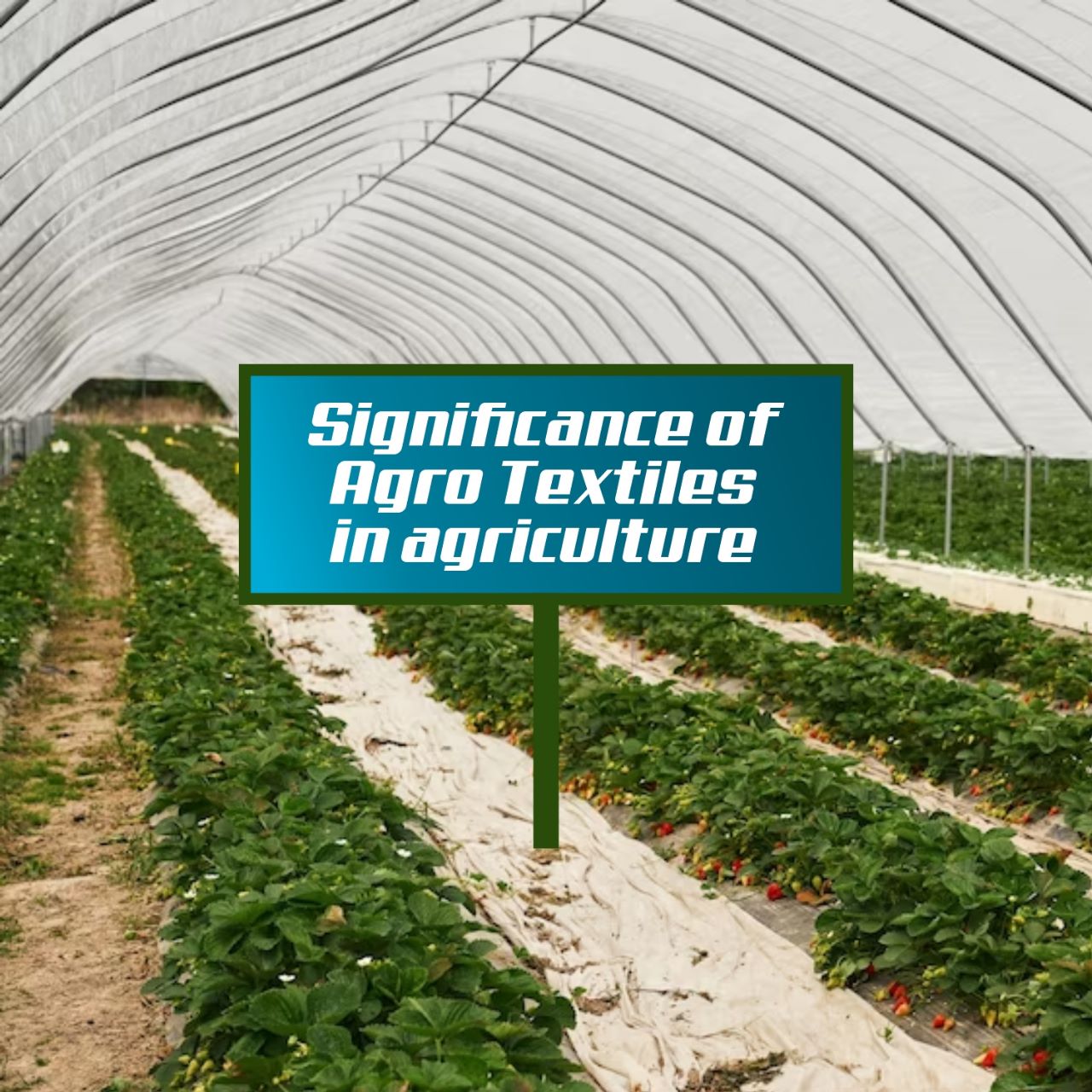
Agrotech includes technical textile products used in agriculture, horticulture, fisheries, animal husbandry and forestry. The key products include shade nets, crop covers, vermibeds, mulches, fishing nets, insect nets, anti-hail nets, bird protection nets, lay flat tubes, gloves for tobacco harvesters, etc. Standardization in the field of agrotech is handled by the Technical textiles for Agrotech Applications Sectional Committee, TXD 35, with the mandate to formulate Indian Standards for terminology, testing and specifications for technical textiles for agrotech applications such as horticulture, agriculture, forestry, animal husbandry, etc.
i) IS 16008 (Part 1):2016 Agro textiles – Shade nets for agriculture and horticulture purposes: Part 1 Shade nets made from tape yarns
This standard prescribes constructional and other requirements for agro shade nets manufactured from tape yarns for agriculture and horticulture purposes in protecting or increasing crop yield by providing controlled climatic conditions for the intended crops. This standard specifies three types of shade nets based on the shading factors of 50, 75 and 90%. Shading percentage is determined on the basis of the amount of light transmitted through the sample which is measured with the help of a PAR sensor.
The shade nets are mostly used for agriculture and horticulture applications, particularly in countries like India where the scorching heat of the sun plays a major role in damaging the crops by sun burning and thus causing severe financial losses. The varying climatic conditions throughout the year, together with the slow but constant rise in temperature in the summer months, prove the need for shade nets to maximize growth and crop yields. The shade nets help in controlling the temperature by accumulating the daytime heat to withstand the low temperatures at night, thus helping in the off season ripening of fruits and vegetables. It also acts as a wind shield and prevents damage to young plants.
ii) IS 16008 (Part 2):2016 Agro textiles – Shade nets for agriculture and horticulture purposes: Part 2 Shade nets made from monofilament yarns
This standard prescribes constructional and other requirements for agro shade nets manufactured from monofilament yarns for agriculture and horticulture purposes in protecting and increasing crop yield by providing controlled climatic conditions for the intended crops. This standard specifies four types of shade nets based on the shading factors of 35, 50, 75 and 90%.
iii) IS 16513:2016 Agro textiles – Insect nets for agriculture and horticulture purposes
This standard prescribes constructional and other requirements for insect nets for agriculture and horticulture purposes in protecting crops from insects such as aphids, whiteflies, carrot flies, cabbage root flies, caterpillars, etc. This standard specifies three types of insect nets based on their mesh sizes (30, 40 and 50 mesh).
iv) IS 16190:2014 Agro textiles – High density polyethylene (HDPE) laminated woven fabric lay flat tubes for irrigation purpose
This standard prescribes constructional and other requirements for high density polyethylene (HDPE) laminated woven lay flat tubes of internal diameters 50, 63, 75, 90, 110, 125, 150, 175 and 200 mm for irrigation purposes. These lay flat tubes are used at the delivery lines of the agriculture pump sets, which may be exposed to the atmosphere and sunlight. These lay flat tubes are manufactured from 260 GSM, HDPE 5-layer laminated fabric and can sustain a bursting pressure of 2.6 Kg/cm2.
Transportation of the water from ponds, canals, or borewells to the various parts of the field for agriculture is of paramount importance. High-density polyethylene laminated woven lay flat tube has been developed to easily transport water in the agriculture field and has the advantage of being lighter in weight. These lay flat tubes do not require fixed installation and can transport water easily to the place of your choice. Farmers are expected to incur less fixed expenditure to irrigate their fields at a considerably lower running cost as compared to the existing piping systems. These lay flat tubes can sustain the actual field conditions, like an uneven field surface, extreme climatic conditions, resistance to puncture, etc.
v) IS 15351:2015 Agro textiles- Laminated high density polyethylene woven geomembrane for water proof lining
This standard prescribes requirements for high-density polyethylene (HDPE) woven geomembrane laminated with low-density polyethylene (LDPE) or a suitable combination of LDPE and LLDPE for use as a lining for canals, ponds, and reservoirs to control seepage and for the proper disposal of industrial effluents, etc. This standard specifies four types of geomembranes of 0.25, 0.50, 0.75 and 1.00 mm thickness.
The primary function of geomembrane applied in ponds and reservoirs is to prevent loss of water due to seepage. The successful performance of a geomembrane is based on good quality materials, proper installation and the appropriate design of ponds and reservoirs. To improve the service life of a geomembrane, it is essential to place it on the surface of the pond or reservoir according to its dimensions and contours, ensuring full contact with the subgrade. To achieve this, onsite laying, joining and fixing are imperative.