

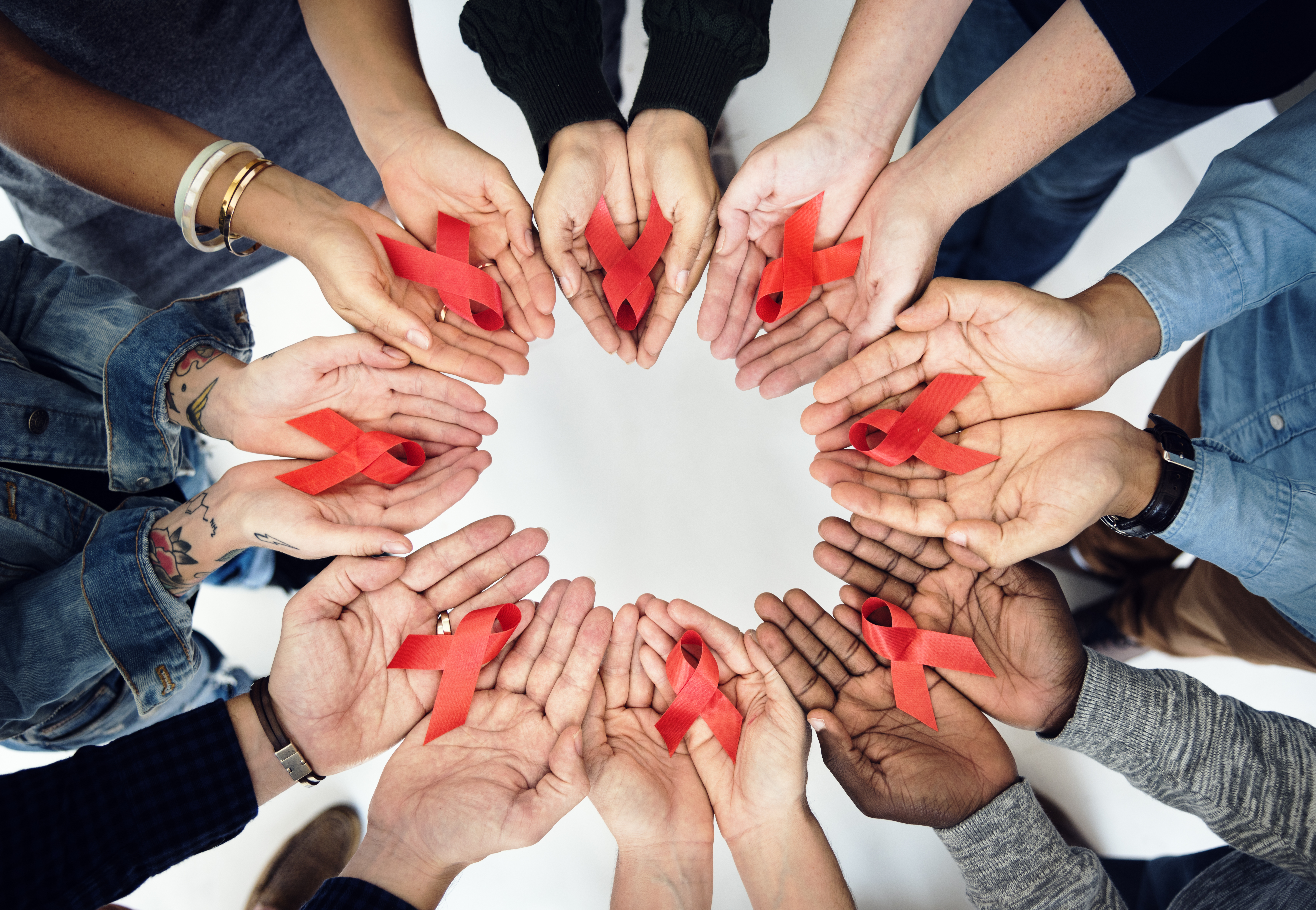
HIV is a term that instils fear and confusion among many. Ever since the epidemic was discovered, it has claimed the lives of around 35 million people, while over 70 million have been affected by it. As per reports by the World Health Organization, by the end of the year 2017, about 36.9 million people across the globe had been living with HIV.
The HIV infection is caused by the human immunodeficiency virus (HIV). This virus lives in human blood, breast milk and sexual fluids, and attacks the immune system, thus exposing the body to various viruses, fungi, germs and so on. However, unlike many other infections, HIV does not spread through contact. This infection mainly spreads when an individual involves themself in sexual intercourse with another person carrying HIV (the virus) in their body. Other possible ways of transmitting this virus include – sharing dirty needles or blood of an infected person, tattoo and body piercing. HIV also gets passed on to babies from their infected mothers, through breast milk or blood.
AIDS and how to prevent having it
AIDS, or acquired immune deficiency syndrome, refers to the most advanced stage of the HIV infection. To better explain, AIDS is the condition that happens to a person when their immune system has
stopped working because of the HIV infection. There are treatments available for people with HIV, which if taken early on, can help stop the progression of AIDS. HIV is a life-threatening illness. The medications for HIV and AIDS can be expensive and many people
throughout the world suffering from these conditions find it hard to get the right medications they require.
It is for reasons such as these that people must try to prevent HIV/AIDS the best they can. A few steps
that women can take to prevent contracting HIV are: –
1. Use female condoms
With STIs and HIV being such widespread diseases, undertaking measures for safe sex have become more
important than ever before. Condoms are contraceptives that act as barriers keeping the sperm from
entering the uterus, thus preventing pregnancy. Female condoms made of polymer films efficiently help
avoid sexually transmitted infection in addition to pregnancy.
There is, in fact, a standard set by the Bureau of Indian Standards for ensuring the quality and safety of
female condoms. As per IS/ISO 25841, an effective female condom is one that: –
– Wholly lines the vaginal canal
– Is free from defects such as holes,
– Possesses adequate physical properties that keep it from breaking while in use
– Is safely packaged for storage
– Has the right label for facilitating its use
Other than the above factors, for a female condom to qualify as per the set standard, it is also vital that any lubricant, dressing, additive or powder or packaging applied to it neither exudes nor has anything that is toxic, locally irritating, sensitizing or in any way harmful, under normal conditions of use or storage.
2. Don’t take part in adventurous sex
Since sex is one of the major ways in which HIV infection transmits, participating in risky sex like without the use of a condom or medicines, having multiple partners or intercourse with an HIV infected partner, must be avoided. Unprotected sex not only exposes you to pregnancy but also various sexual health
issues that could spoil your life and even put it in grave danger.
3. Take a test
Many people suffer from HIV without even knowing it. Getting tested for HIV will, therefore, help ensure if you already have HIV or any other STIs. Speak to your partner about taking the HIV test together, before you have sex. This step could save both of you from getting infected with HIV and avoiding all the complications that tag along with it.
4. Undertake an HIV prevention strategy
Although there is no vaccine or pills that guarantee safety against HIV, you can get a vaccine or PrEp (Pre-Exposure Prophylaxis) as a part of prevention strategy, to help reduce the risk of HIV and hepatitis B, which is a type of STI.
The above-mentioned steps can prove more effective when practiced together. In addition to the advice mentioned above, always using sterile injections, do not share injections with anyone, and use condoms in the correct manner; these are a few other steps one can undertake to avoid HIV/AIDS.

Written By: Kancherla Raja, Former Member Secretary in ‘MHD’
Go Back
Comments
Title : 2 thoughts on “How females can save themselves from contracting HIV/AIDS.”
wow!! you are sharing the best blog,
follow meddco for affordable treatments.
wow!! you are sharing great blog,
follow meddco for affordable treatments.